“chemical fertilizers” search results (700)

Taste of Ecuadorian Coffee Flavor introduction of boutique coffee beans in manor area
Because of the unique role of the Galapagos Islands in the course of history, the Government of Ecuador has designated the Galapagos Islands as a national park, the land is no longer allowed to be reclaimed as new agricultural land, and the introduction and use of chemical fertilizers, pesticides, herbicides and other chemicals are strictly prohibited, so coffee produced in the Galapagos Islands is recognized as a natural product. Ecuador ES Coffee South Ecuador
2016-07-25 Ecuador coffee flavor taste manor producing area boutique coffee beans introduction
American Coffee boutique Manor Coffee Treasure from the hometown of the Giant Turtle Galapagos Islands
A coffee treasure from the hometown of giant turtles in the Galapagos Islands, this coffee treasure is of excellent quality and is grown without any chemicals. Coffee is grown in San Cristobal (Saint Crstbal). St. Cristobal is a larger island in the Galapagos Islands (Galapagos Islands) and the only one in the archipelago with plenty of fresh water. In the
2016-04-11 America coffee boutique manor from giant tortoise hometown treasures Lapa Goss
Several major certification organizations for organic coffee
Organic coffee is coffee that does not use synthetic pesticides, herbicides or chemical fertilizers during its growth.
2014-07-09 Coffee news identification coffee institutions organic coffee
Get to know the organic coffee certification body
Organic coffee is coffee that does not use synthetic pesticides, herbicides or chemical fertilizers during its growth.
2014-07-10 Coffee news coffee certification body organic coffee
Galapagos Coffee introduction
In 1875, ManuelJ.Cobos, an indigenous Ecuadorian, began to grow Arabic bourbon coffee trees in the Hasunda Coffee Garden (HaciendaElCafetal) in San Cristobal. Coffee production in the Galapagos Islands: coffee is grown in San Cristobal (SaintCristobal). Inner species of Hasunda Coffee Garden (HaciendaElCafetal) in San Cristobal
2016-08-30 Lapa Goss Coffee introduction 1875 Ecuador Aboriginal worth M.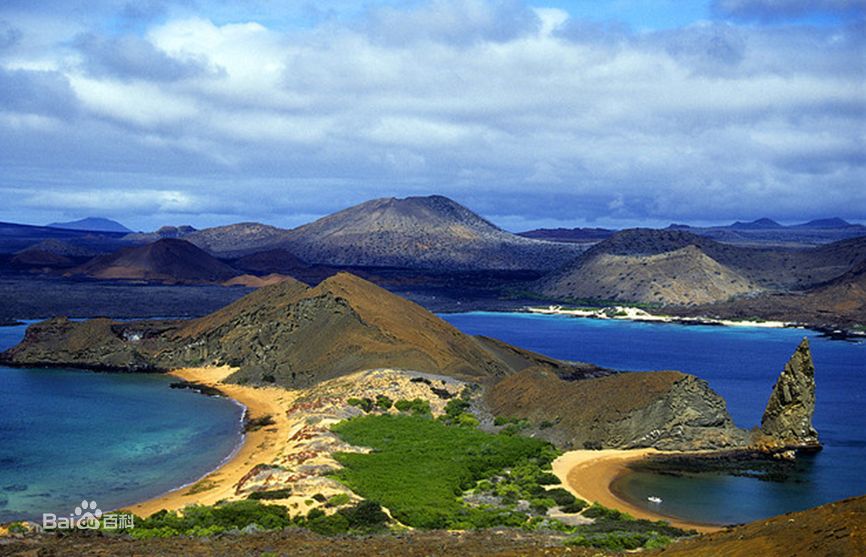
A brief introduction to the Flavor of Fine Coffee beans in the Galapagos Islands of Ecuador
Coffee treasures from the hometown of giant turtles, which are of excellent quality and do not use any chemicals when growing. Coffee is grown in San Cristobal (Saint Crstbal). St. Cristobal is a larger island in the Galapagos Islands (Galapagos Islands) and the only one in the archipelago with plenty of fresh water. At 410 meters above sea level on the island
2016-01-14 Ecuador Lapa Goss archipelago boutique coffee beans flavor profile Cologne
Introduction to the characteristics of Panamanian Coffee Flavor Manor
In addition to creating good coffee cultivation conditions, the Lamastus family, which runs the Elida estate, has also planted many different native tree species on the estate, not only to shade the coffee trees, but also to provide a friendly habitat for birds. In terms of fertilization, the Lamastus family uses artificial fertilization and a small amount of chemical fertilizers, but never uses pesticides and herbicides that are harmful to the environment. Eye
2016-08-17 Taste Human Panama Coffee Flavor Manor producing area characteristics varieties introduction
Panamanian Coffee Manor introduction of Panamanian Coffee producing area Esmeralda Manor
In addition to creating good coffee cultivation conditions, the Lamastus family, which runs the Elida estate, has also planted many different native tree species on the estate, not only to shade the coffee trees, but also to provide a friendly habitat for birds. In terms of fertilization, the Lamastus family uses artificial fertilization and a small amount of chemical fertilizers, but never uses pesticides and herbicides that are harmful to the environment. Eye
2016-07-18 Panama Coffee Manor producing area introduction Ace Mela except build okay
Coffee treasures from the hometown of giant turtles, this kind of coffee treasures, excellent quality coffee beans
Coffee treasures from the hometown of giant turtles, which are of excellent quality and do not use any chemicals when growing. Coffee is grown in San Cristobal (SaintCrstbal). St. Cristobal is a larger island in the Galapagos Islands (GalapagosIslands) and the only one in the archipelago with plenty of fresh water. At 410 meters above sea level on the island
2016-05-19 From giant tortoise hometown coffee treasures this quality excellent coffee beans from
Coffee in the Galapagos Islands
In 1875, Manuel J. Cobos, an indigenous Ecuadorian, began growing arabic bourbon coffee trees on Hacienda El Cafetal in San Cristobal. Coffee growing in the Galapagos Islands: Coffee is grown in Saint Cristobal. Hacienda El Cafetal in San Cristobal
2014-12-18 Boutique Coffee Recommended Lapa Goss Archipelago 1875 Ecuador Earth
Coffee from the Galapagos Islands
In 1875, Manuel J. Cobos, an indigenous Ecuadorian, began growing arabic bourbon coffee trees on Hacienda El Cafetal in San Cristobal. Coffee growing in the Galapagos Islands: Coffee is grown in Saint Cristobal. Hacienda El Cafetal in San Cristobal
2015-05-14 Coffee Country of Origin Introduction Lapa Goss Archipelago 1875 Ecuador Turkey
Wild coffee costs more than gold
A cup of natural coffee is something coffee lovers dream about. Aromatic alcohol, mild, soft, sweet, fragrant coffee, can be the main drink on the table of three meals a day, but also can be used as a refreshing thing for leisure drinks.
2014-06-04 Coffee Knowledge Gold Coffee Wild Coffee Blue Mountain
Flavor and taste of coffee manor in Ecuador San Cristobal region
Because of the unique role of the Galapagos Islands in the course of history, the Government of Ecuador has designated the Galapagos Islands as a national park, the land is no longer allowed to be reclaimed as new agricultural land, and the introduction and use of chemical fertilizers, pesticides, herbicides and other chemicals are strictly prohibited, so coffee produced in the Galapagos Islands is recognized as a natural product. Ecuador ES Coffee South Ecuador
2016-07-14 Ecuador Coffee Manor producing area Flavor palate introduction Crystal Val
Global Coffee producer-Galapagos
In 1875, ManuelJ.Cobos, an indigenous Ecuadorian, began to grow Arabic bourbon coffee trees in the Hasunda Coffee Garden (HaciendaElCafetal) in San Cristobal. Coffee production in the Galapagos Islands: coffee is grown in San Cristobal (SaintCristobal). Inner species of Hasunda Coffee Garden (HaciendaElCafetal) in San Cristobal
2014-07-09 Coffee origin coffee production global coffee producing area
What is the quality of coffee produced in the Galapagos Coffee Islands?
St. Cristobal is a larger island in the Galapagos Islands (Galapagos Islands) and the only one in the archipelago with plenty of fresh water. At an altitude of 410m, there is a small lake called El.Junco. Several streams flow along the rocks and volcanic rocks on the southern slope of the island. Shengke is nourished by mineral-rich fresh water.
2016-06-18 Lapa Goss coffee archipelago output quality how Crystal Val la
Coffee introduces the best blue mountain coffee in coffee.
Mellow, mild, soft, sweet and fragrant coffee can not only be the main drink on the table of three meals a day, but also a refreshing thing for leisure drinks. Coffee has been a popular drink in the world for only more than 300 years, but now it has become the first of the three largest drinks in the world (the other two are tea and cocoa) and is popular all over the world. From top luxury restaurants in Europe, America and Japan to Africa and Southeast Asia
2014-11-08 Coffee knowledge coffee introduction coffee gourmet blue mountain coffee
Coffee treasures from the hometown of the giant tortoise in the equatorial coffee producing area, St. Cristobal in the Galapagos Islands.
A coffee treasure from the hometown of giant turtles in the Galapagos Islands, this coffee treasure is of excellent quality and is grown without any chemicals. Coffee is grown in San Cristobal (SaintCrstbal). St. Cristobal is a larger island in the Galapagos Islands (GalapagosIslands) and the only one in the archipelago with plenty of fresh water. On the island
2016-04-07 Equator coffee origin giant turtles hometown treasures Lapa Goss archipelago Chris
Twelve famous premium coffee producing regions of Galapagos
In 1875, Manuel J. Cobos, an indigenous Ecuadorian, began growing arabic bourbon coffee trees on Hacienda El Cafetal in San Cristobal. Coffee growing in the Galapagos Islands: Coffee is grown in Saint Cristobal. Hacienda El Cafetal in San Cristobal
2015-06-01 Famous Twelve Quality Coffee Origin Lapa Goss 1875 Ecuador
Panamanian Pocket Flower Butterfly Coffee Bean producing area Manor Esmeralda Manor Panamanian Coffee
In addition to creating good coffee cultivation conditions, the Lamastus family, which runs the Elida estate, has also planted many different native tree species on the estate, not only to shade the coffee trees, but also to provide a friendly habitat for birds. In terms of fertilization, the Lamastus family uses artificial fertilization and a small amount of chemical fertilizers, but never uses pesticides and herbicides that are harmful to the environment. Eye
2016-07-20 Panama Pokui Tehua Butterfly Coffee Bean producing area Manor introduction Ace Mei
Asian Coffee Manor East Timor Arabica Coffee Raw beans are washed with seasonal Water
CONTENT Timor-Leste is best known for its organic coffee, which is interestingly related to the deteriorating law and order of the independence movement, as chemical fertilizers and pesticides cannot be transported to remote coffee fields, coffee farmers rarely spray pesticides and grow entirely from natural organic fertilizers. Statistics also show that East Timor's Arabica organic coffee exports are 40% higher than pesticide-sprayed Arabica beans.
2015-12-28 Asia Coffee Manor East Emperor Rabbi Raw Bean seasonal Water washed Coffee Bean CO